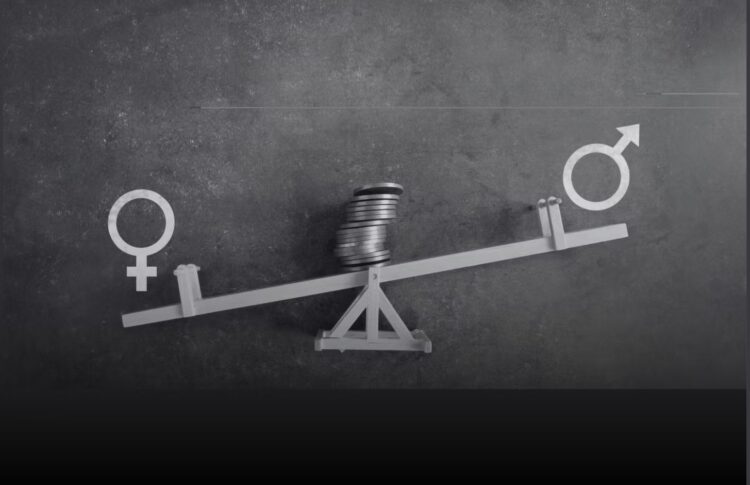
Mary Ann Sieghart’s The Authority Gap is worth reading for anyone who has ever felt underestimated, overlooked or patronised at work, and for anyone who may unwittingly do the same to others. The book is about gender, but its argument, that we should check our assumptions and treat people fairly, matters to anyone involved in hiring.
The central claim is simple: women are not taken as seriously as men in their working lives. Sieghart opens with a man at a dinner party dismissing her career achievements as the work of a ‘busy little girl’. She was 50 at the time, and a well-known journalist and broadcaster.
Her argument, supported by academic studies and interviews with senior women around the world, is that men are assumed competent until proven otherwise, while women are assumed incompetent until proven otherwise. The bias is hard to see, and women hold it about other women just as men do. She gives examples of it at school, at work and at home.
As Asset Management search consultants, our interest is practical: how to stop gender bias from working against women in hiring, not least because the sector needs to improve its gender diversity.
Sieghart does not just describe the problem; she proposes fixes. For recruiters, she recommends at least two women on every shortlist. The research she cites shows that having more than one woman on a shortlist makes it 79 times more likely that a woman will be hired; with only one, the lone woman rarely gets the job, because a single woman reads as the exception rather than the natural choice. That is the thinking behind the ‘Godliman Rule’, modelled on the NFL’s Rooney Rule, which we ask our clients to adopt.
Making sure women are well represented on interview panels matters too. But because women can carry the same unconscious bias, it is not enough on its own. Here are five further safeguards against the authority gap in hiring.
- Structured, standardised interviews. Use a fixed set of questions for every candidate, and a structured scoring system to judge the answers objectively. We use a scorecard, both as a discussion tool with clients and to rank candidates consistently.
- Objective assessment. Use practical tests that measure the skills the job actually requires, and ask for relevant work samples so ability is judged directly. At Godliman we use standardised online testing within our Best-Fit Assessment to gauge behaviours and aptitudes.
- Transparent, accountable decisions. Keep a record of why each decision is made at every stage, and insist on specific feedback that justifies the scores, rather than the vague, impressionistic notes that are common. Review the feedback and scorecards for systemic bias.
- Clear, inclusive job descriptions. Use gender-neutral language so the wording does not deter women, as we set out in our post on language and unconscious gender bias. Emphasise the essential skills and experience over qualifications that do not matter.
- Training and awareness. Provide regular unconscious-bias training for everyone involved in hiring, and build a culture of inclusion and respect within the organisation.
Most of these are straightforward to put in place. Training takes more effort, but the gain from understanding our own biases is large. Sieghart ends on an optimistic note: closing the authority gap benefits everyone, not only women, and she believes it could be done within a generation if enough of us play our part.
For more advice on how to structure your hiring to encourage more inclusive and successful diversity hiring, please contact us at hello@godliman.com.